Exterior Renovations & Siding
Siding, soffit, fascia, windows and doors — the work that keeps weather out and decides what the house looks like from the street.
- Typical timeline
- 1–3 weeks
- Permits
- Sometimes, depending on scope
- Live in during work
- Yes, throughout
What's Involved
Exterior, done properly.
Exterior work is the first thing a buyer judges and the last thing most owners get to. It is also where shortcuts surface fastest, because unlike an interior finish it is under weather every day of the year.
- Siding replacement in vinyl, fibre cement, engineered wood and board
- House wrap, flashing details and rainscreen where specified
- Soffit, fascia, eavestrough and downspout replacement
- Window and exterior door replacement with correct sealing
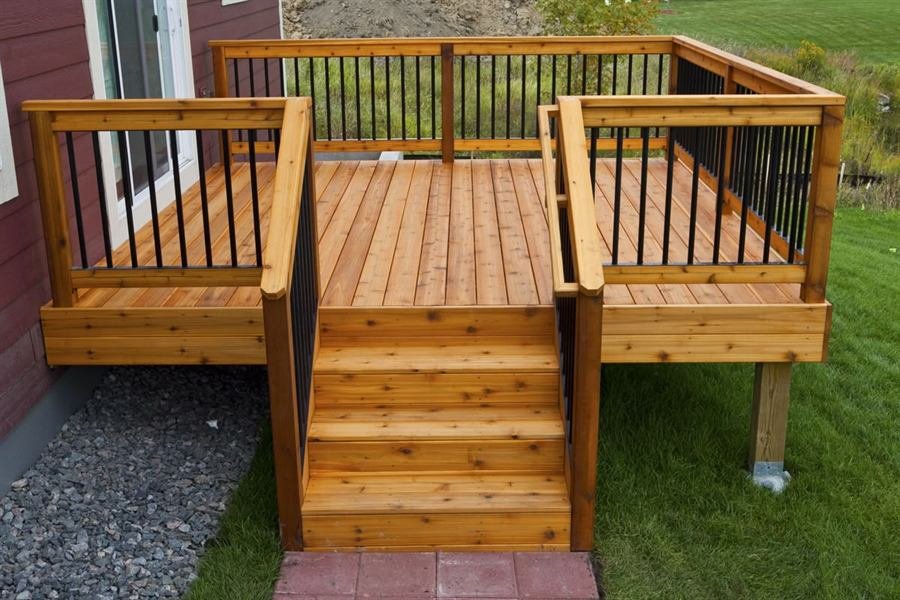
- Porches, steps, columns and railings
- Grading and drainage corrected away from the foundation
What Moves The Price
Where the money actually goes.
Three things account for most of the variation between one exterior quote and another. Knowing which of them applies to you is most of the budgeting.
-
1
Siding material
Vinyl, engineered wood and fibre cement sit at very different points on both price and labour. Fibre cement in particular is heavier, slower to cut and fit, and specified differently at every opening.
-
2
Access and height
A bungalow is scaffold-free and quick. Three storeys, a steep lot or tight side-yard clearance means staging, lift equipment or working in narrow sections — and that is time before a single board goes on.
-
3
What is found behind the old cladding
Rotten sheathing, missing house wrap and water damage around windows are common on older homes and only visible once the siding is off. We price the repair transparently rather than covering it.
Timeline
How a exterior project runs.
-
Measure and order
2–4 weeks leadEverything measured, colours and profiles confirmed, and materials ordered. Windows in particular carry a long lead time.
-
Strip and repair
2–4 daysOld cladding removed section by section, sheathing inspected, and any rot or water damage repaired before anything new goes up.
-
Install
4–8 daysHouse wrap, flashing at every opening, then siding, working around the building so the house is never left open overnight.
-
Trim and seal
2 daysCorners, trim, soffit and fascia finished, all penetrations sealed, and the site cleared including a magnet sweep for fasteners.
Worth Knowing
What goes wrong in exterior projects.
Not a sales pitch — these are the three failures we get called in to fix most often. Ask any contractor you are considering how they handle them.
-
Siding installed over rot
New cladding hides damaged sheathing perfectly, and the rot carries on underneath. Anything soft has to come out while the wall is open — that is the only moment it is cheap to fix.
-
No house wrap or flashing at openings
Siding is not a waterproof layer, it is a rain screen. The water management happens behind it, at the wrap and the flashing around every window and door. Missing that is the single most common cause of leaks.
-
Ground sloping back toward the house
You can replace every board on the building and still get a wet basement if the grading falls the wrong way. It is inexpensive to correct while the exterior is already a work site.
How We Work
Four steps, no surprises.
-
01
Walkthrough
We come to you, measure up and talk through what you actually want out of the space — and what it realistically costs.
-
02
Fixed quote
A written, itemised scope with a fixed price and a start date. Nothing begins until you have signed it.
-
03
The build
One project manager, one schedule, dust protection up and a tidy site at the end of every day.
-
04
Handover
We walk the finished job with you, fix the snag list, and leave you the warranty in writing.
Exterior Questions
Answers before you ask.
What is the best time of year for exterior work?
Late spring through autumn is ideal for most materials. Some products have minimum installation temperatures, and sealants in particular do not cure well in the cold, so winter work needs to be planned around what is being installed.
Can you work in the winter?
Some of it, yes. Emergency repairs, certain siding systems and most window replacements can be done in cold conditions with the right approach. We will tell you plainly if waiting for spring will give you a better result.
Vinyl or fibre cement siding?
Vinyl is the most economical and installs fastest. Fibre cement is more durable, holds paint colour better and looks substantially better up close, at a higher cost and a longer install. Both are appropriate depending on the house and how long you plan to stay.
Do you handle eavestrough and downspouts too?
Yes — soffit, fascia, eavestrough and downspouts are usually done at the same time as siding, because the staging is already up and the details tie together. Downspouts should discharge well away from the foundation.
Other things we do
Want a real number for your exterior project?
Free walkthrough, fixed written quote, no obligation to go ahead.